Exercise for People Who Hate Exercise
There are few subjects guaranteed to make sensible adults behave irrationally quite like exercise.
Mention the word at a dinner party and you'll immediately discover that everyone has an opinion. Some people speak about exercise with the enthusiasm usually reserved for winning lottery tickets. They tell stories about sunrise runs, personal bests and weekend fitness challenges with such excitement that you begin to wonder whether they're describing exercise or a spiritual awakening.
Then there are the rest of us.
The people who have spent years trying to develop a meaningful relationship with exercise only to discover that the feeling isn't always mutual.
One of the great myths surrounding fitness is that everybody secretly enjoys it. We're told that if we simply find the right activity, everything will click into place and we'll suddenly become the kind of person who bounds out of bed eager to exercise before breakfast.
I'm still waiting.
What often gets overlooked is that many people don't actually hate exercise. They hate what exercise has become. They hate feeling judged. They hate being compared to younger, fitter versions of themselves. They hate the pressure to perform, improve and transform.
Most of all, they hate the idea that movement only counts if it's difficult.
By the time we reach midlife, our relationship with exercise has often become tangled up with guilt. We remember gym memberships that went unused, ambitious fitness plans that lasted three weeks and trainers sitting in the wardrobe waiting for the life we promised we'd start next Monday.
Yet movement itself remains one of the most natural things in the world.
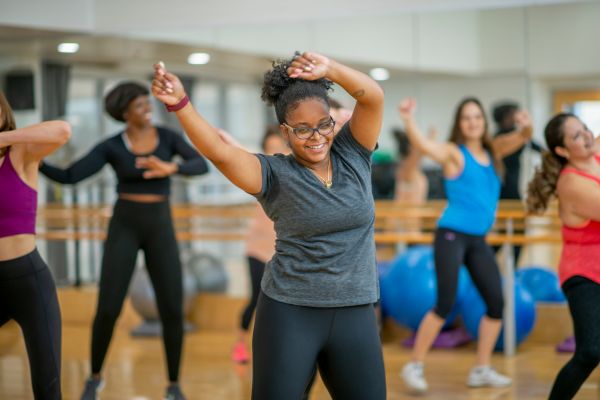
Nobody needs convincing to dance at a wedding. Nobody needs motivation to walk through a beautiful city on holiday. Nobody returns from an afternoon gardening session proudly announcing they've completed a workout, yet they've often spent hours bending, stretching, lifting and moving.
Perhaps the problem isn't exercise.
Perhaps it's the narrow definition we've created around it.
The healthiest people I know rarely talk about fitness. They talk about their dogs, their gardens, their walking groups, their grandchildren and their hobbies. They stay active because activity is woven naturally into their lives rather than existing as a separate project.
There's something wonderfully liberating about that idea.
Movement doesn't need to be impressive.
It simply needs to happen.
A twenty-minute walk counts. Carrying shopping counts. Exploring a new city counts. Taking the stairs counts. An afternoon spent pottering around the garden absolutely counts, particularly if you've ever tried standing up afterwards.
Midlife has a way of teaching us that sustainability beats intensity. The exercise programme you follow for five years will always outperform the one you abandon after five weeks.
That doesn't mean ambition is a bad thing. If you love running marathons, lifting weights or cycling enormous distances, wonderful. The point is that health doesn't require everyone to share the same interests.
The goal isn't to become an athlete.
The goal is to remain strong, capable and energetic enough to enjoy life.
Once you view exercise through that lens, it becomes much easier to find forms of movement that feel less like punishment and more like living.
Rock Your Midlife Takeaway
The best exercise isn't the one burning the most calories or generating the most admiration. It's the one you'll happily keep doing for years.
