The Science of Living Longer and Better
I remember reading an article years ago about a man who had spent an extraordinary amount of money trying not to die.
He monitored everything. Blood markers, sleep cycles, body fat percentages, heart rate variability, biological age and enough other measurements to keep a team of scientists occupied for months. His daily routine appeared to involve a level of discipline usually associated with preparing astronauts for space travel.
At the time, I found it fascinating.
I also found it slightly exhausting.
The longer I thought about it, the more I wondered whether he was actually living longer or simply spending more time thinking about living longer.
That question has stayed with me because it touches on something many of us wrestle with as we move through midlife. We become increasingly aware that time is not unlimited. Friends receive difficult diagnoses. Parents grow older. Newspaper headlines begin referring to people younger than us as "veterans." Whether we like it or not, mortality gradually shifts from an abstract concept to something a little more personal.
It's hardly surprising that longevity has become such a popular topic.
Bookshops are filled with titles promising longer lives. Podcasts interview experts discussing the latest breakthroughs. Social media delivers a steady stream of advice about supplements, fasting protocols and morning routines that supposedly hold the key to extending our years.
The strange thing is that when scientists study populations who actually live long, healthy lives, the answers often sound remarkably familiar.
Move regularly.
Eat reasonably well.
Sleep adequately.
Stay connected to other people.
Manage stress.
Maintain a sense of purpose.
Not exactly the material of a blockbuster headline.
Perhaps that's because we've developed a tendency to believe that important solutions must also be complicated. If somebody told us the secret to longevity involved an expensive treatment available only in a remote laboratory, we'd probably be intrigued. Tell us it involves walking more often and going to bed on time, and suddenly the conversation feels far less exciting.
Yet the evidence keeps pointing in the same direction.
One of the most interesting developments in longevity research over recent years has been the growing focus on healthspan rather than lifespan. Lifespan simply refers to how long we live. Healthspan asks a more interesting question. How long do we remain healthy, active and independent?
Most people don't spend much time fantasising about becoming the world's oldest person. What they really want is to continue doing the things they enjoy for as long as possible. They want to travel without worrying about whether their body can cope. They want to play with grandchildren, pursue hobbies, enjoy friendships and remain engaged with life.
In other words, they want quality as well as quantity.
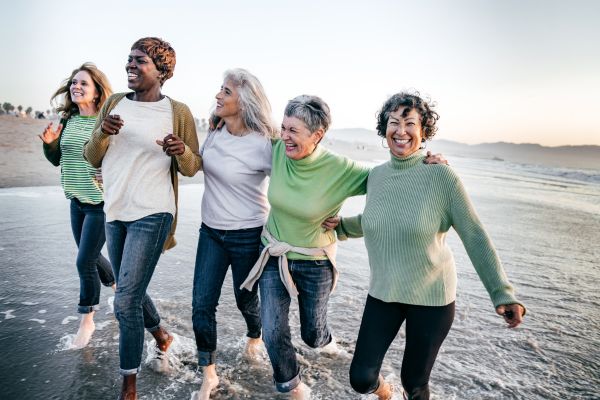
The good news is that many of the habits associated with longer life are also associated with better life. Exercise improves mood as well as longevity. Good sleep enhances daily energy as well as long-term health. Strong relationships make life richer in the present while supporting wellbeing in the future.
Perhaps that's why the most sensible longevity advice rarely feels dramatic.
It's less about chasing immortality and more about creating a life that functions well.
There's a certain comfort in that.
Most of us don't have access to cutting-edge medical research facilities. We aren't going to spend our mornings analysing dozens of health metrics before breakfast. What we can do is make small choices that consistently support our wellbeing.
A walk after dinner.
A conversation with a friend.
A good night's sleep.
A little less stress.
A little more movement.
The science may be complex, but the application often isn't.
As I get older, I've become less interested in adding years at any cost and more interested in making the years I have feel as vibrant as possible. Perhaps that's the real lesson hidden inside all the longevity research.
Living longer matters.
Living well matters even more.
Rock Your Midlife Takeaway
The most powerful longevity habits aren't usually found in laboratories. They're found in ordinary daily choices that help us stay healthy, active and engaged with life for as long as possible.
